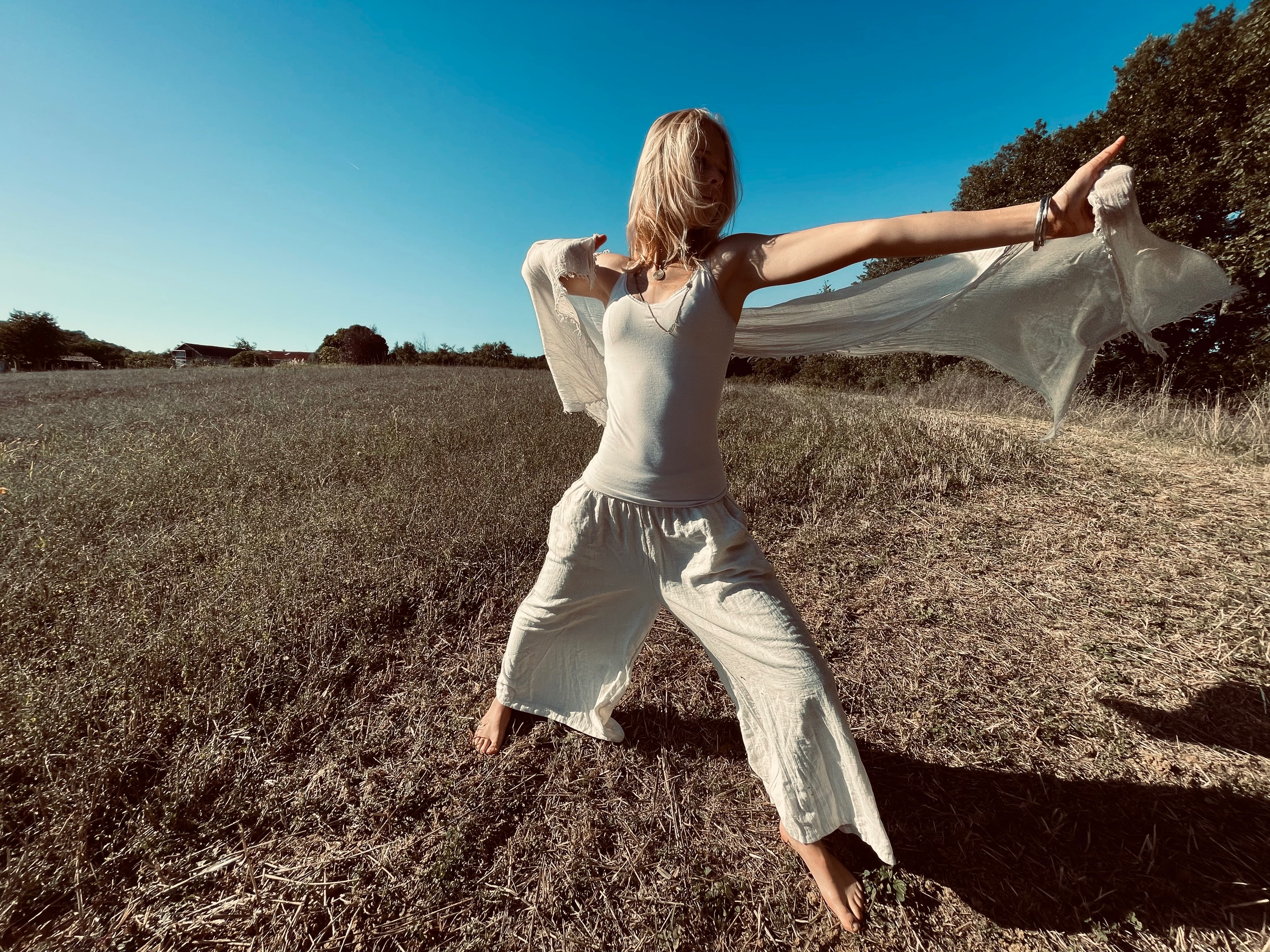
KUNDALINI YOGA
Teacher Training Level 1
Three training weeks in nature & community.
Monties · South West France April - September 2027
EXPLORE THE TRAINING ↓
WHY ARE YOU HERE?
Maybe you know. Maybe you don’t.
What are you looking for?
What keeps coming up?
What do you know, but don’t yet live?
And what might happen if practice became more than something you do when you have time?
Level 1 is called a Teacher Training.
It is. You will learn to teach Kundalini Yoga.
But that is not where it starts. It starts with practice.
Long enough to meet yourself in it. Fully.
Often enough to notice where you escape, negotiate, push, avoid or stay.
Some teachings will make immediate sense. Others won’t.
Good.
You don’t need to believe them.
Practise. Study. Question. Experience.
Find out.
SO, WHAT WILL YOU ACTUALLY DO?
You will practise Kundalini Yoga. A lot.
But you may be surprised by how much of the training happens beyond the physical practice.
You will study philosophy, the yogic understanding of the mind and human nature, anatomy, breath, meditation, mantra and sound.
You will explore where Kundalini Yoga comes from, how the practice developed, and its relationship with Sikh Dharma and the Punjab, including the stories, teachings and traditions that form part of its cultural and spiritual landscape.
Some of it is ancient. Some of it is practical. Some of it will probably raise questions.
Good. We want those too.
You will develop a daily personal practice.
You will learn to teach - and you will teach.
Between the residential weeks, you continue with online training days, study, practice and assignments.
And three times during those six months, you leave your normal routine behind and come to Monties to live and learn together for nine days.
THREE WEEKS.
SIX MONTHS.
ONE CONTINUOUS TRAINING.
24 APRIL — 2 MAY 2027
26 JUNE — 4 JULY 2027
11 — 19 SEPTEMBER 2027

WHY THREE WEEKS?
Most teacher trainings meet for a weekend. We stay.
Early morning sadhana. Study. Practice. Meals together. Rest. And again.
Yoga asks us to be present. But presence is not only about being here when it feels good.
It is also the practice of staying.
Staying with the breath.
Staying with the practice.
Staying when something comes up.
During those nine days, we create the conditions to do just that.
A LIVING TRADITION
Kundalini Yoga has a history, and we think you should know it.
So in Level 1 we don’t only practise kriyas and meditation. We learn about Sikh Dharma, Guru Nanak and the Sikh Gurus, Japji, Shabad Guru, seva and sangat. We hear the stories from Punjab and look at the history of the yoga we practise today.
That also means looking at the difficult parts of its more recent history.
You don’t have to believe everything you encounter. But we do ask you to be curious. Where does it come from? What did it mean then? And does it still have something to teach us now?
Understanding where the teachings come from is part of learning to teach them.
MEET THE TRAINERS
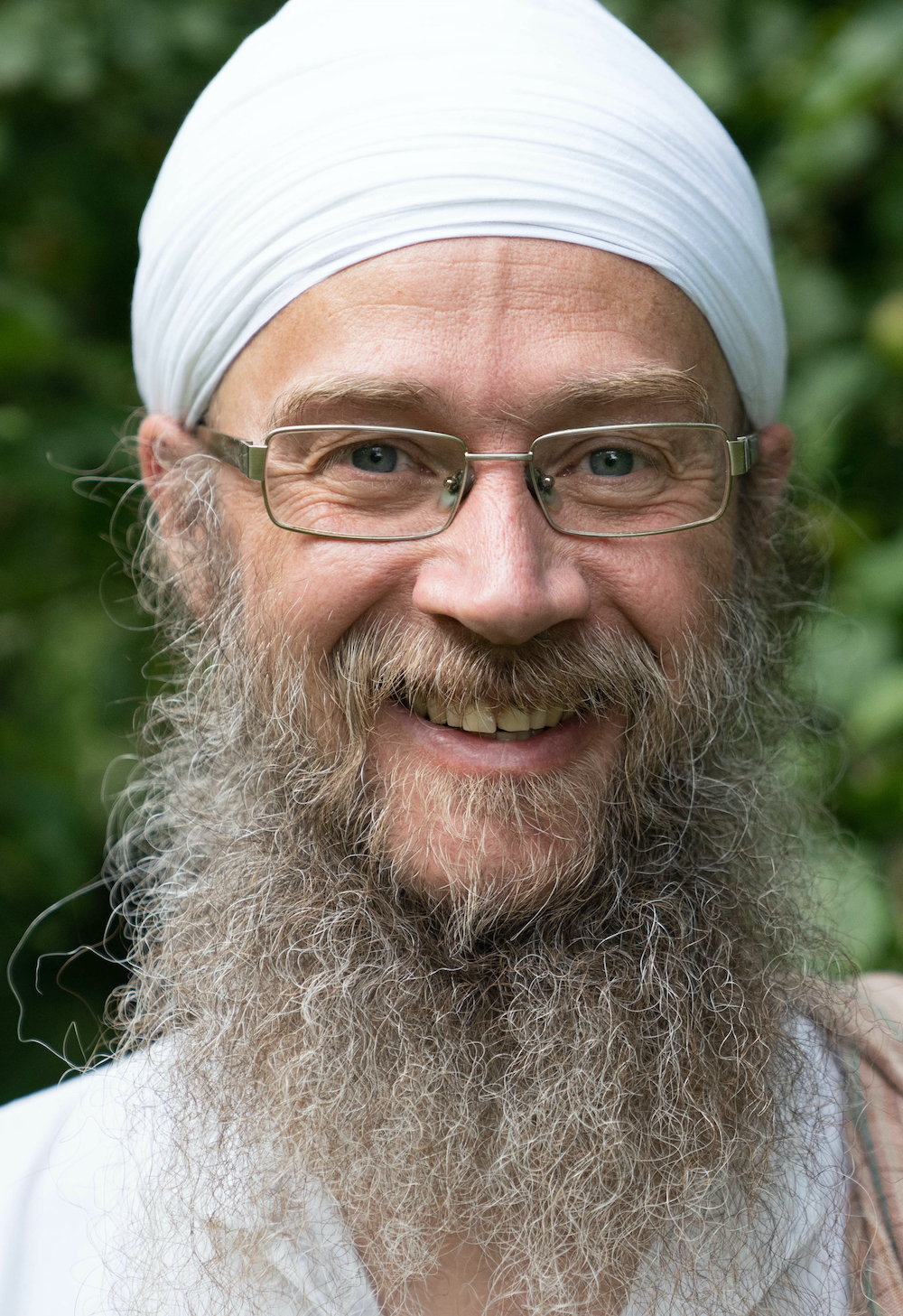
HARI KRISHAN SINGH
Lead Trainer · Kundalini Yoga & Karam Kriya
Hari Krishan has been teaching Kundalini Yoga since 2003 and is an international KRI Lead Trainer for Level 1 and Level 2.
He is also a Karam Kriya trainer and consultant, working closely with the International Karam Kriya School founded by Shiv Charan Singh.
Together with his wife Bachitar Kaur, he founded Cherdi Kala International Kundalini Yoga School and runs Yogahouse Prasaad in southern Germany.
Hari Krishan brings a deep understanding of Kundalini Yoga and Karam Kriya to his teaching, combining precision and depth with a wonderful sense of humour.

SUKHDEV KAUR KHALSA
Trainer · Kundalini Yoga, Karam Kriya & Sikh Dharma
Originally from Mexico, Sukhdev Kaur has been teaching Kundalini Yoga for over 25 years. She is an international KRI Lead Trainer for Levels 1, 2 and 3, and a Karam Kriya consultant and trainer.
She founded the Guru Ram Das Ashram and Dharamsaal School of Kundalini Yoga and Humanology in Estonia, and is Director of Continuing Education at Miri Piri Academy in Amritsar, India.
As a Sikh Dharma Minister, she brings a deep, lived connection to the Sikh teachings, sangat and seva.
Her teaching is direct, warm and remarkably clear. Rooted in years of practice, study and community life, she brings the teachings back to what matters: how we actually live them.
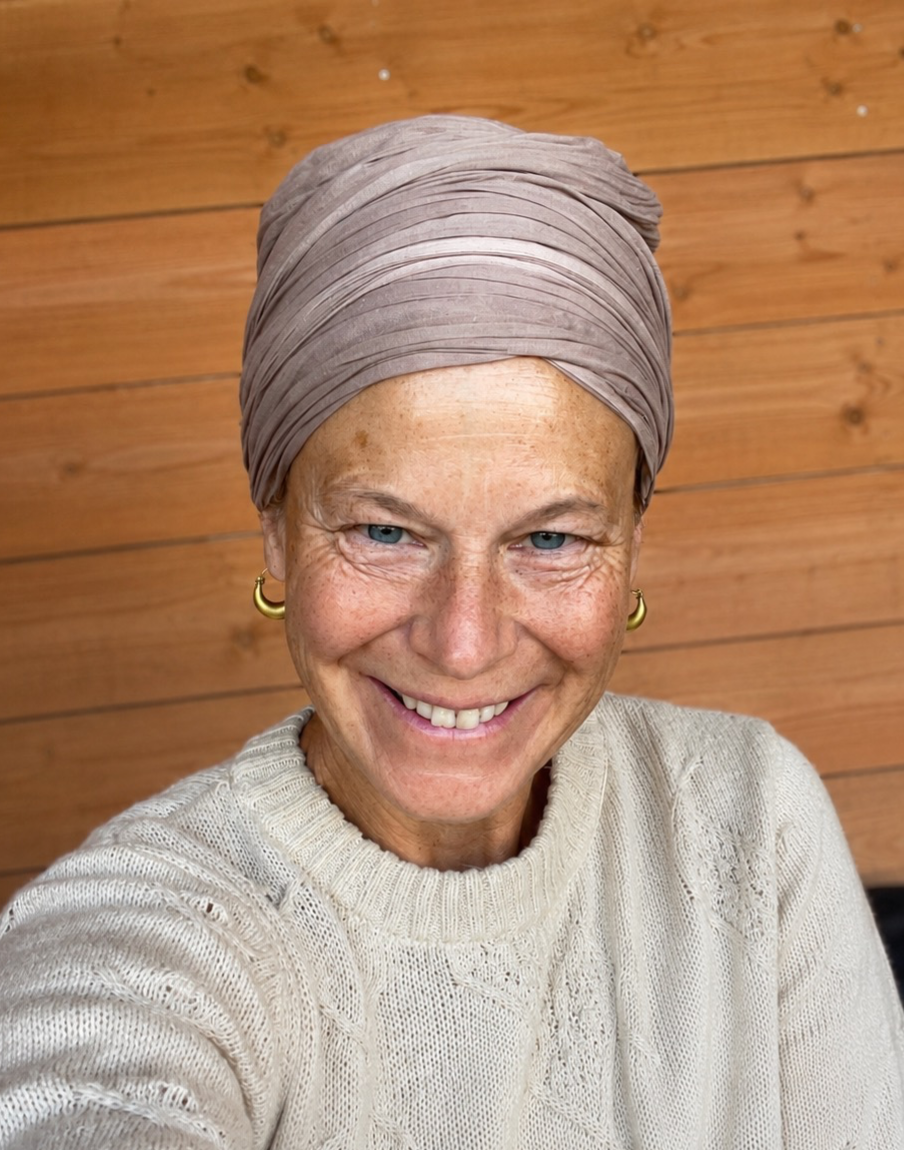
JAGAT PREM KAUR
Trainer · Host
Jagat Prem has practised yoga for more than 30 years and has worked with Kundalini Yoga for many years, as a teacher, trainer and facilitator of trainings and festivals.
Alongside teaching yoga, she works with entrepreneurs and professionals as a business coach and mentor, helping them find clarity in their work, direction and positioning.
For Jagat Prem, these worlds are closely connected. What you practise has consequences for how you work, lead, make choices and take your place.
She lives at Domaine de Saint Agne in South West France, where this training takes place.
LIFE AT SAINT AGNE
For three weeks during the training, Saint Agne becomes your home.
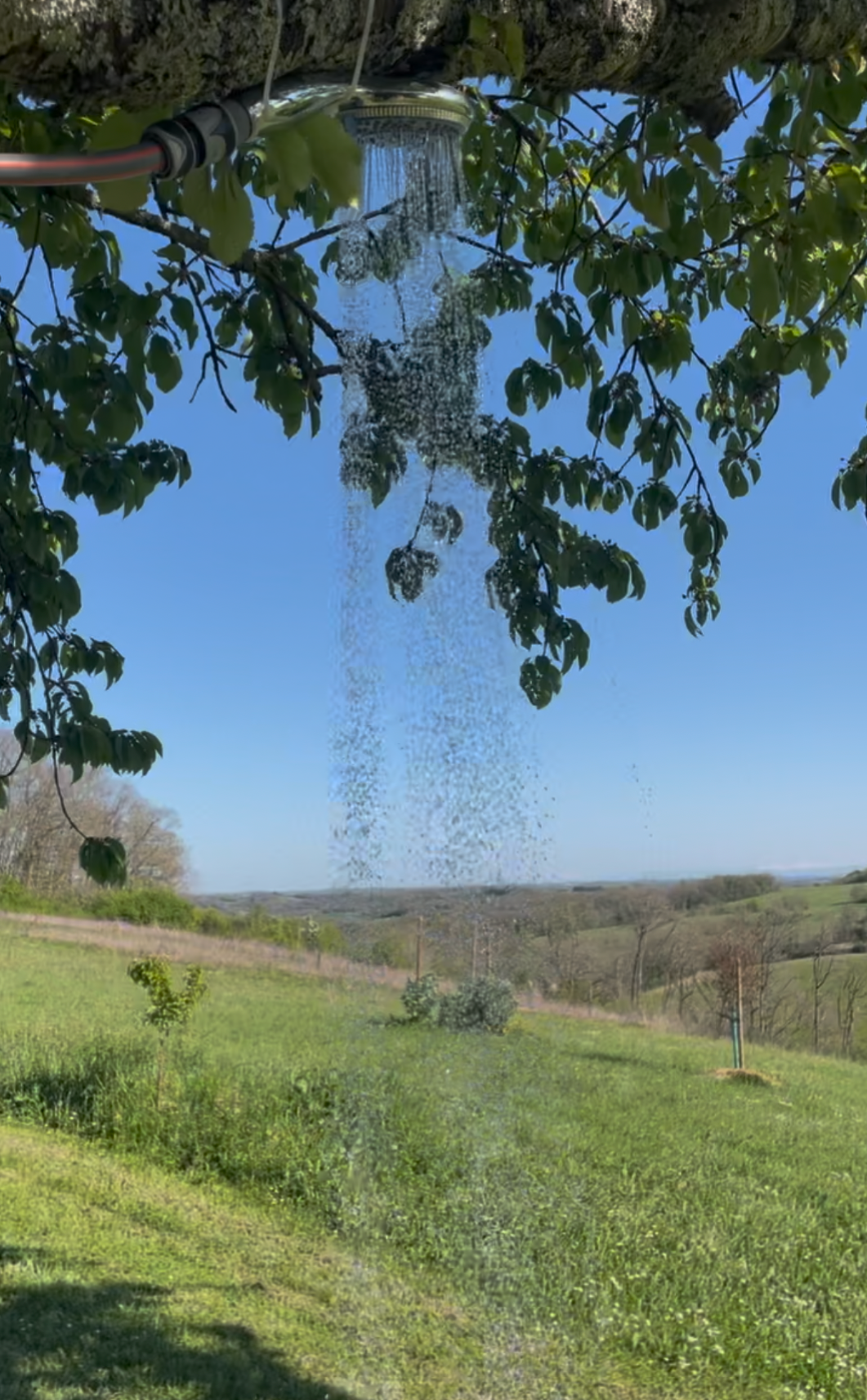
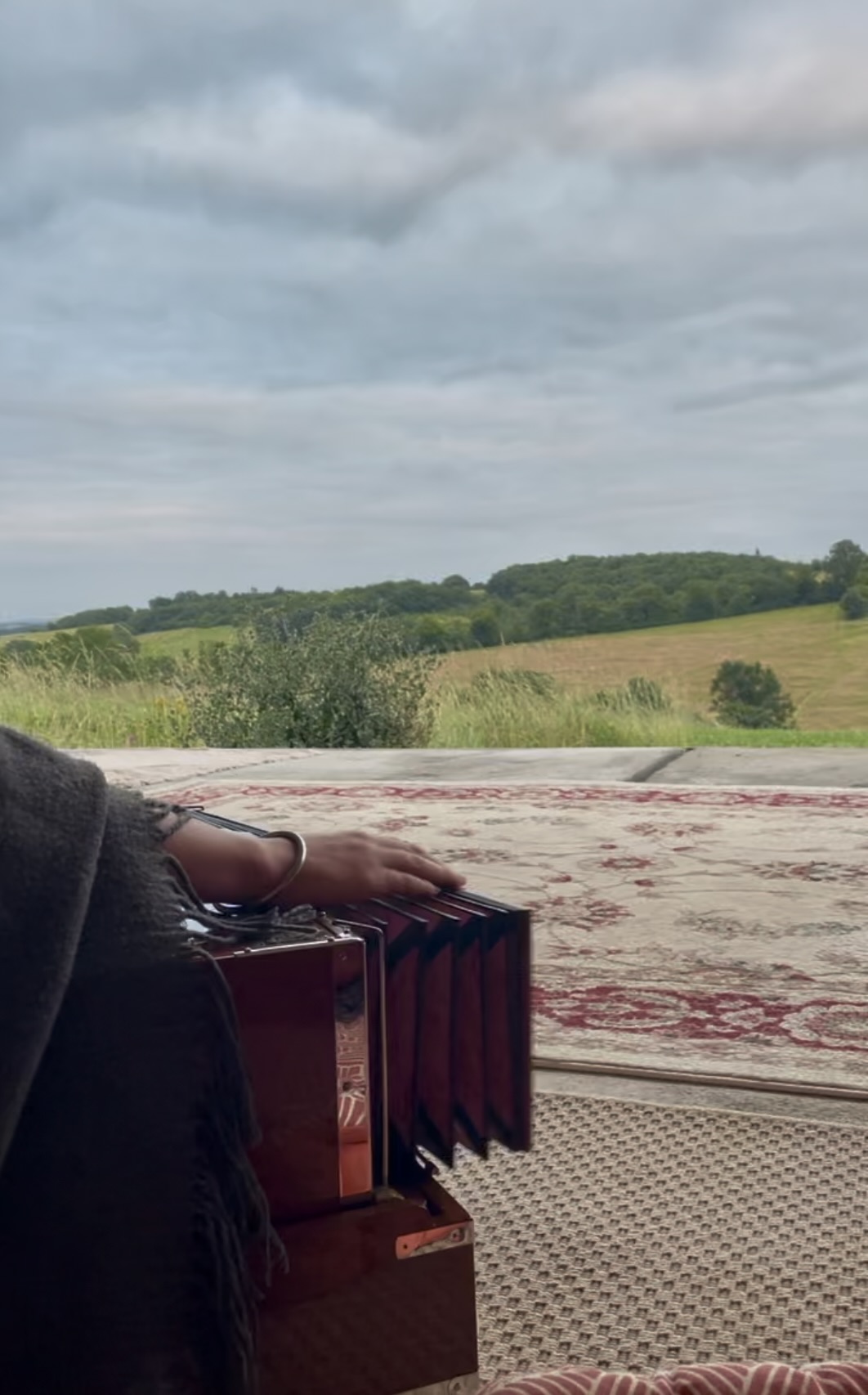
We practise early. We study. We eat together. There is time outside, time to rest and walk.
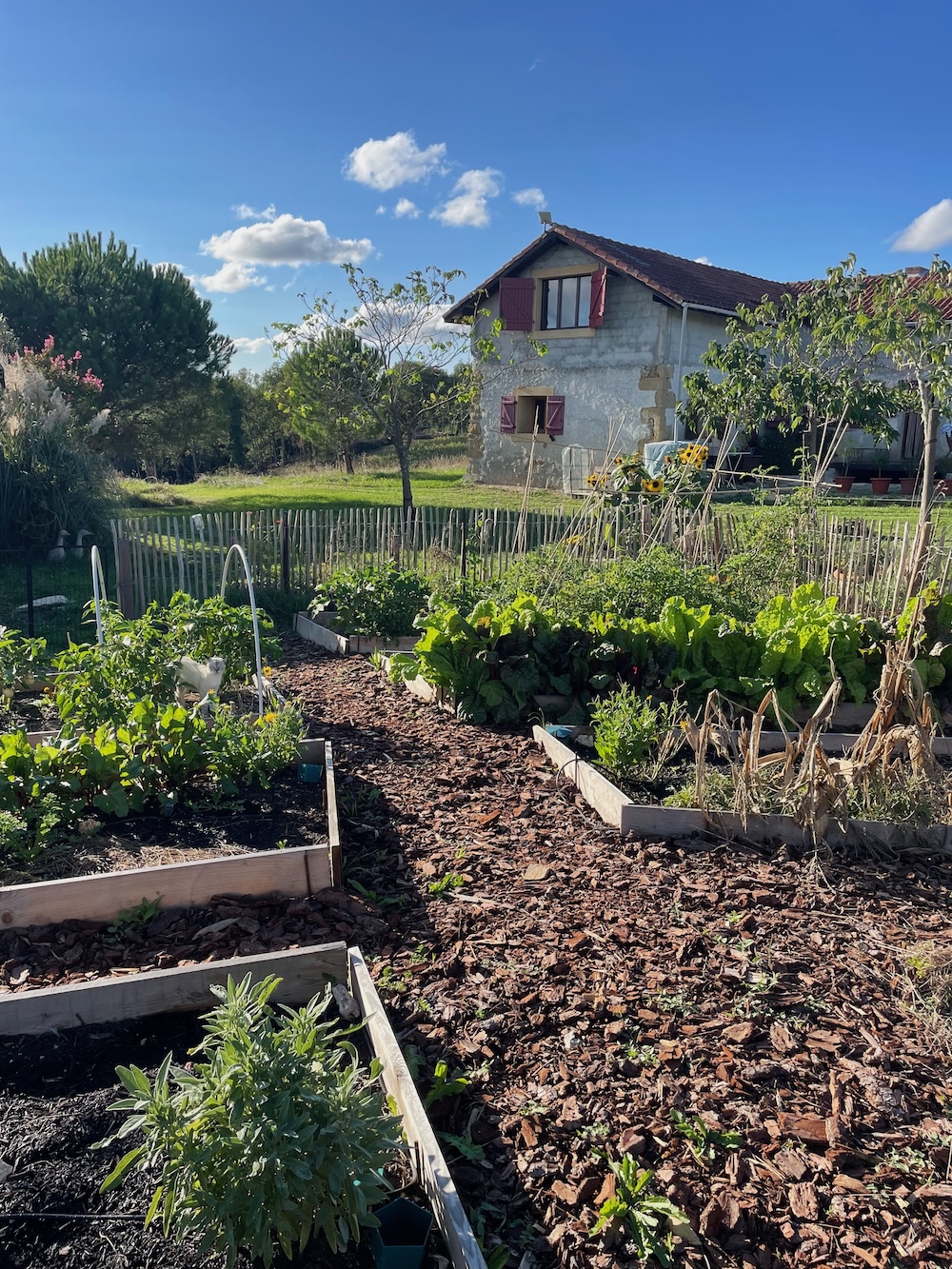
Life here is simple and close to nature. Much of it happens outdoors.
Camping on the land is included. There are also a few beds available, and several B&Bs and other places to stay nearby.
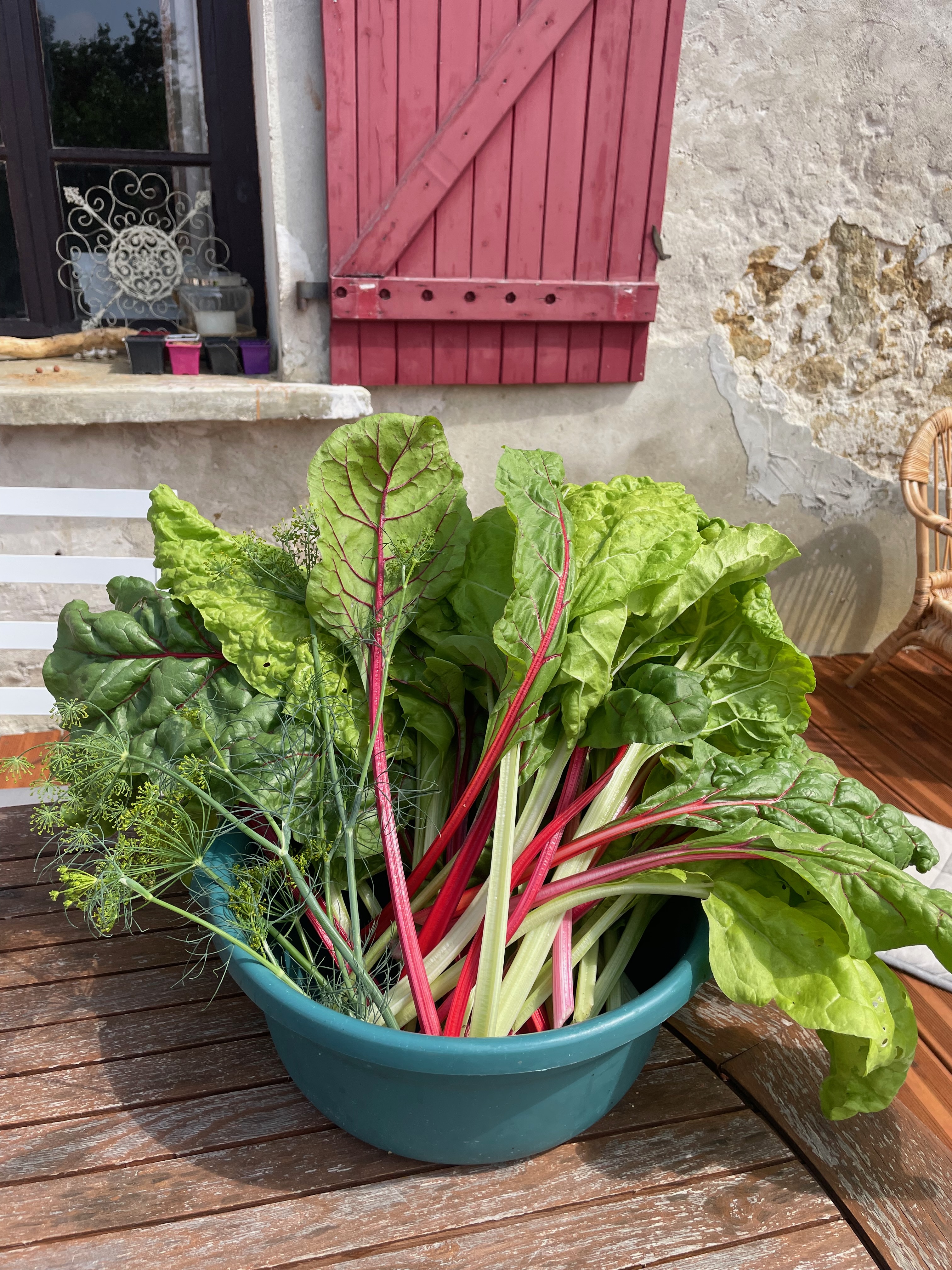
Meals are lacto-vegetarian, prepared with local and seasonal ingredients as much as possible.
Living outdoors is part of the training too. Nature helps us slow down, pay attention and come back to what is here.
Saint Agne is simple and basic by choice. You can read more about the place, our facilities and staying here.
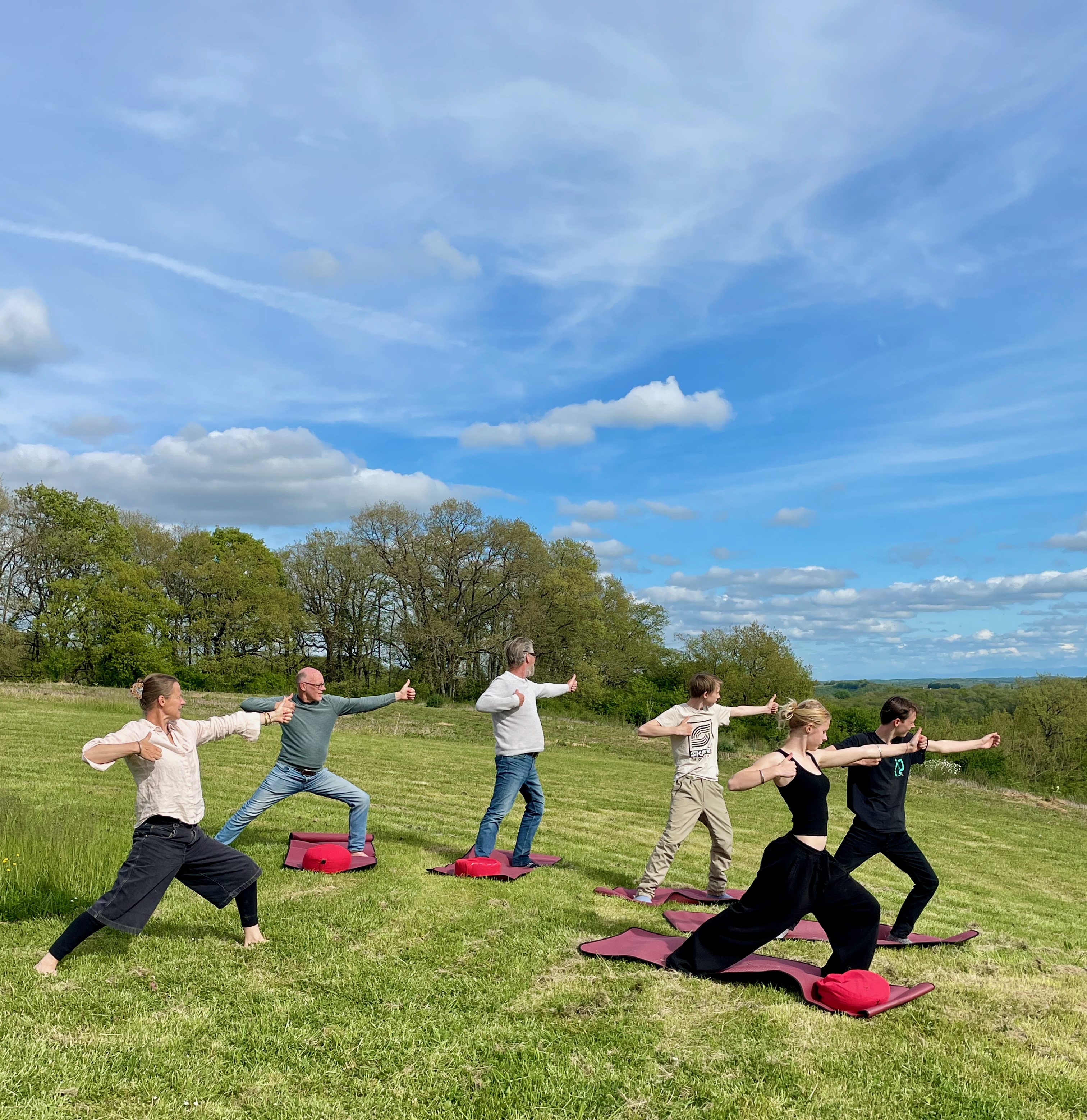
SANGAT
Sangat means community — but it is more than simply being in a group.
For nine days, you practise, study, eat and live alongside the same people. You see each other early in the morning, tired, inspired, irritated, quiet, open.
That is part of the practice too.
You learn from the teachers. You also learn from each other.
Living together means everyone contributes. We call this seva: taking care of the space, helping with meals, doing what needs to be done.
Nothing complicated.
Practise together. Live together. Take care of the place together.
Sign up for our newsletter
Get a monthly newsletter on events, kundalini yoga and French life.
Thank you for subscribing!
Have a great day!